


Game info
Arcade game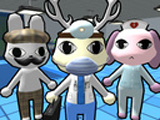
Animal Hospital: Anomalies and Monsters is a arcade game focused on a clear task: learn the displayed objective and use the player’s recorded controls deliberately.
About Animal Hospital: Anomalies and Monsters
Animal Hospital: Anomalies and Monsters is a arcade game focused on a clear task: learn the displayed objective and use the player’s recorded controls deliberately.
Animal Hospital: Anomalies and Monsters is included here alongside Steal an Egg: Raise Rare Animals! because its recorded play features offer another way to explore this kind of game. Begin with its own start screen and rules rather than assuming that a familiar theme means the same controls. The description below separates the objective, the recorded inputs and a practical way to learn the next decision.
Gameplay and objective
Use the opening area to identify the target, movement and any restart or interaction action. Test a single input before adding another so its result is understandable. The current title’s instructions take priority over assumptions based on a similar thumbnail.
Features in Animal Hospital: Anomalies and Monsters
- Treat dogs, cats, and other patients while warding off monster break-ins.
- Remove hallway symbols and abnormal object behavior before threats spread.
- Match each animal with the proper treatment after examining its condition.
- Expand the clinic through completed hospital tasks to admit more patients.
Animal Hospital: Anomalies and Monsters controls
The recorded controls for this player are: Mouse - Overview; WASD / Arrow keys / Movement; Left mouse button - Attack; e - Interaction; c - crouch; g - Discard an item; q - Come out of hiding; Escape - pause; 1 / 3 - - slot. Check the current on-screen instructions before attempting a demanding sequence. If a touch device is being used, it needs the controls this game actually supplies; a responsive webpage alone does not create a missing touch interface. Learn movement and interaction separately in an opening area so an unfamiliar input is not mistaken for a problem with the plan.
Practical tips
Choose one recurring situation to compare across attempts. Notice where the intended action first becomes difficult, then change the relevant timing or position. A clear short practice goal makes progress easier to recognise than changing every input after an unsuccessful result.
A useful first session
Choose one small objective for the first attempt. Observe where the intended action becomes difficult, then change the relevant timing, position or route while keeping the successful parts familiar. Those are different adjustments, so changing all of them together makes the result harder to compare. An unfinished attempt can still reveal a useful constraint or a more dependable opening.
Before adding another challenge, check whether the known opening is repeatable. Use a restart or checkpoint when the game provides one, and wait for a movement or animation to finish before judging its result. The next decision should use the current state rather than a picture that the previous action has just changed. This makes a successful result something you can understand and work towards again.
Frequently asked questions
What is the objective of Animal Hospital: Anomalies and Monsters?
The objective is to learn the displayed objective and use the player’s recorded controls deliberately. Read the current player’s own instructions for the exact stage, mode and completion conditions.
What controls does Animal Hospital: Anomalies and Monsters use?
The recorded inputs are: Mouse - Overview; WASD / Arrow keys / Movement; Left mouse button - Attack; e - Interaction; c - crouch; g - Discard an item; q - Come out of hiding; Escape - pause; 1 / 3 - - slot. Follow any additional instructions shown by the game when a menu or situation changes.
What should I practise first?
Learn one clear action in a familiar opening area. Then compare a specific change in timing or position rather than replacing every input after each result.
Is progress shared with another game or account?
Do not assume a shared save. Use the selected title’s own storage and account information before expecting progress to transfer to an unrelated game or application.
Good game? Tell us.0
Share a tip, celebrate a high score, or tell us what you think. Keep it friendly.